
Permaculture as a framework for Regeneration, Learning, and Conscious Ageing
Within the work of Conscious Ageing Hungary, permaculture functions as both a practical methodology and a guiding framework for long-term social and ecological regeneration. The Foundation manages two permaculture gardens that serve as living laboratories, educational spaces, and community resources, demonstrating how ecological land stewardship can be integrated with conscious ageing, mental well-being, and intergenerational learning.
These gardens are not isolated projects, but part of a broader commitment to sustainable development, resilience, and care-based approaches that align with European and international sustainability goals. Through long-term land management and participatory learning, they contribute to environmental restoration while strengthening social cohesion and individual agency across the life course.
Regina Garden, Gödöllő
A Long-Established Permaculture System in a Peri-Urban Context
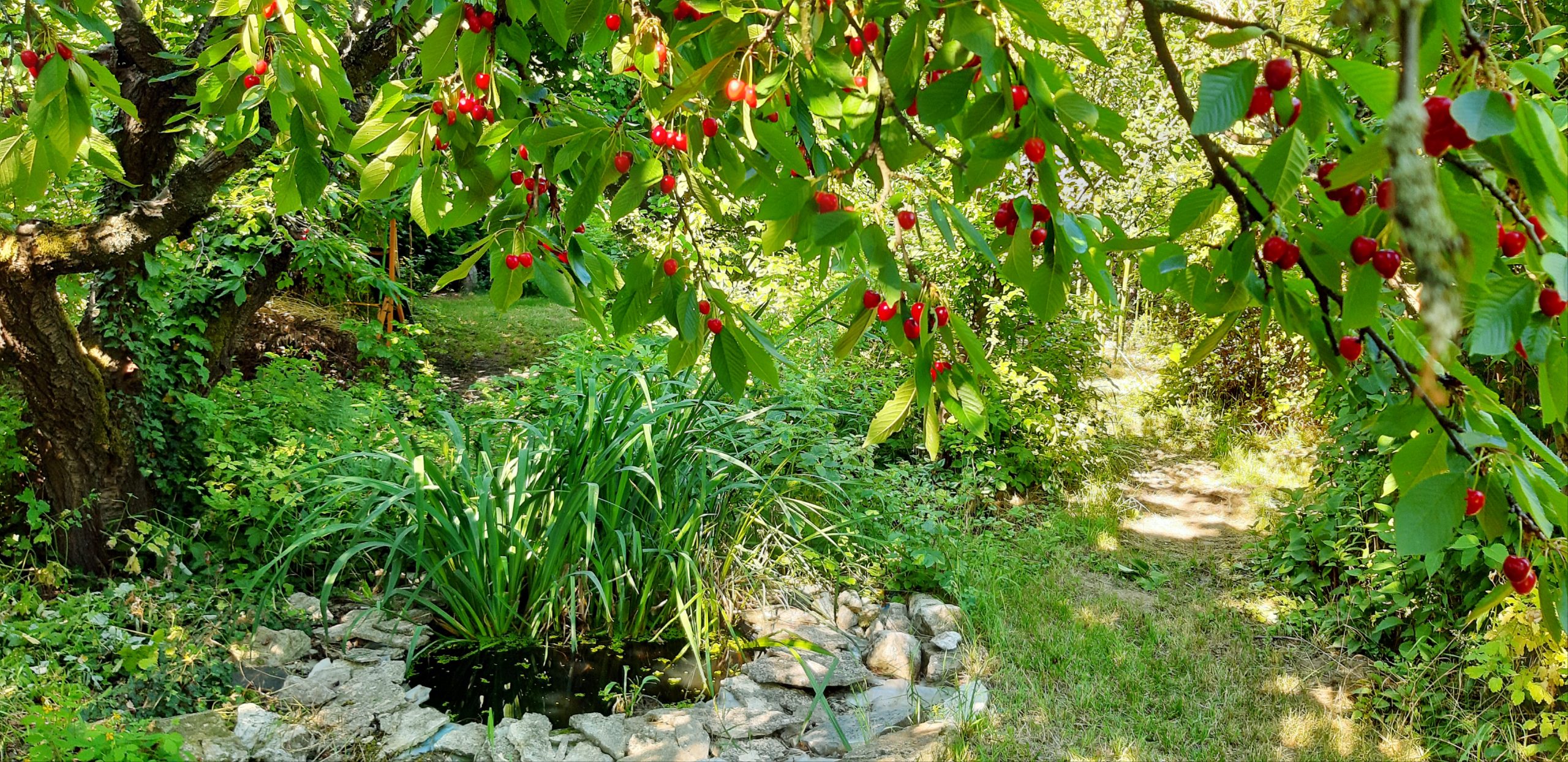
Established in 2001, Regina Garden represents over two decades of continuous permaculture practice. Located in a rapidly developing peri-urban area within the wider Budapest region, the garden has evolved into a mature forest garden that functions as an ecological refuge and a model of regenerative land use under challenging environmental conditions.
The site is characterised by sandy soils and a dry climate, conditions that increasingly reflect broader European climate adaptation challenges. Through careful design, long-term observation, and adaptive management, the garden has achieved high levels of biodiversity and ecosystem stability. Layered planting systems, perennial species, and soil-building practices have transformed a vulnerable landscape into a resilient, self-regulating system.
Beyond its ecological value, Regina Garden plays a key role as a learning and community space. It hosts trainings, workshops, and reflective programmes related to permaculture, conscious ageing, mental health support, and community self-support. The garden provides a setting where ecological literacy, personal development, and social responsibility are addressed together, supporting holistic approaches to well-being and ageing in contemporary European societies.
More information: www.regina.garden
Hekate Garden, Janoshida
A Developing Training and Innovation Site in a Rural Environment
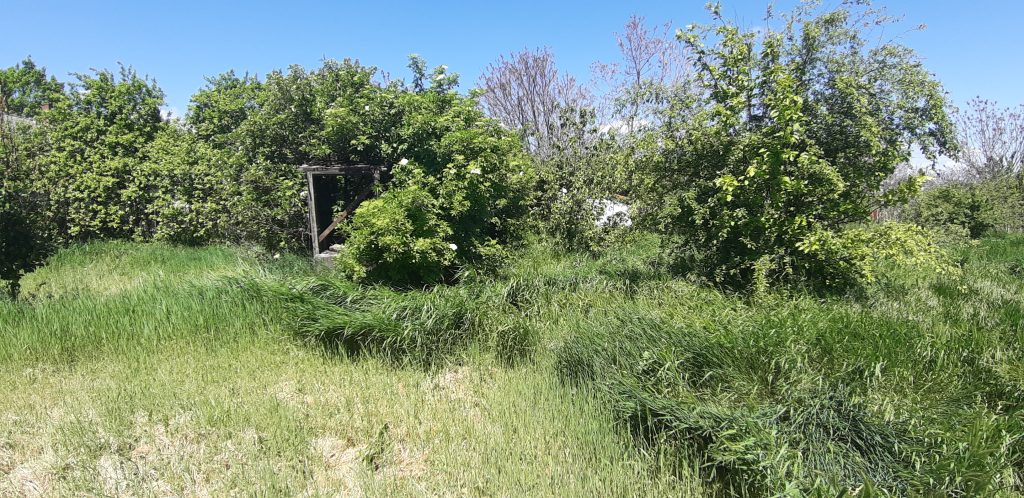
Hekate Garden, established in 2023, is a young permaculture site located in a rural setting and developed as part of a broader local sustainability initiative. Situated close to a river system and characterised by fertile soils, the site offers strong natural conditions for regenerative agriculture and ecological experimentation.
As an emerging garden, Hekate Garden is intentionally designed as a long-term development project. Its early stage allows for participatory planning, observation-based design, and adaptive implementation, reflecting permaculture’s emphasis on learning through process. The site is currently undergoing phased development and infrastructure improvements, with a clear vision to evolve into an international training and demonstration centre.
In the coming years, Hekate Garden will support educational programmes, pilot projects, and knowledge exchange related to permaculture, conscious ageing, and sustainable rural development. It is envisioned as a space where practitioners, learners, and community members can engage with regeneration as a practical and social process.
More information: www.hekate.garden
Management principles and strategic relevance
Both gardens are managed according to core permaculture ethics and principles, including care for the Earth, care for people, and fair sharing of resources. Management practices prioritise soil regeneration, biodiversity enhancement, water-sensitive design, and low-impact maintenance, while remaining responsive to local ecological and social conditions.
Equally important is the governance and social dimension of the gardens. They function as inclusive spaces for learning, reflection, and cooperation, supporting active and conscious ageing through meaningful engagement, skill-sharing, and community participation. This integrated approach reflects contemporary European policy priorities related to sustainability, mental health, social inclusion, and lifelong learning.
Together, Regina Garden and Hekate Garden illustrate two complementary stages of regenerative practice: one a long-established system demonstrating resilience and continuity, the other a developing site oriented toward innovation, training, and future capacity-building. As such, they contribute to international conversations on sustainable land use, climate adaptation, and socially embedded approaches to ageing.