
 Since 2017, we have been providing training and consultancy services across Hungary, working with municipalities, local communities, and civil society organisations. Our mission is to reshape the narrative around ageing and to support communities in strengthening their local social structures as resilient responses to an increasingly complex polycrisis environment.
This work has gained new momentum through our cooperation with Haleon, a global healthcare company, with whom we began collaborating in 2024 in the framework of research on ageism, self-ageism, and (self)care. Building on this foundation, the ÉletPlusz programme was launched, with its fieldwork phase running from September 2025 until the end of 2026.
At its core, ÉletPlusz offers local actors the opportunity to request free Conscious Ageing trainings, tailored to their communities. Now, at the halfway point of the programme, it is timely to reflect on what we are seeing, learning, and achieving.
How local communities engage with the programme
The programme has proven to be flexible in adapting to different local contexts, with two main modes of engagement emerging:
- Open community events
Community centres organise Conscious Ageing trainings that are publicly advertised and accessible to local citizens free of charge. These events serve as entry points for awareness-raising and community dialogue. - Internal professional trainings
Municipalities, social service providers, cultural institutions, and small and medium-sized enterprises organise closed trainings for their staff. These sessions are not publicly advertised but play a key role in shaping institutional perspectives and practices.
This dual approach allows the programme to reach both individuals and systems, creating opportunities for change at multiple levels.
What we observe in the field
Our field experience so far reflects both urgency and opportunity.
Hungarian society is undergoing a significant demographic shift. According to the National Statistics Office, the population aged 40–70 now represents approximately 43% of society, and the 45+ age cohort exceeds the younger population. This “sandwich generation” occupies a critical position: they are often decision-makers, employers, caregivers, and service providers at the same time.
This makes them not only affected by social change, but also key agents of it.
At the same time, awareness of ageing, self-care, and community responsibility varies greatly between localities. Some communities are already actively engaging with these issues, while others are only beginning to recognise their relevance.
Encouragingly, we also see that many programmes and services already exist to support active ageing, primarily focusing on physical and mental health, prevention, care, and community engagement. The ÉletPlusz programme does not start from zero; rather, it connects, reframes, and strengthens existing efforts through the lens of conscious ageing and caring communities.
By the halfway point, we have organised and participated in 29 events across Hungary, reaching diverse settings—from small villages of 600 inhabitants to larger towns and Budapest. This geographical diversity has provided valuable insight into the different capacities, needs, and motivations of communities.
Impact: three levels of change
The impact of the ÉletPlusz programme can be understood across three interconnected levels:
Level 1 – Local citizens
Participants attending open events gain a better understanding of conscious ageing and (self)care. This often leads to small but meaningful changes in their daily lives. While the individual impact is modest, there is some multiplication effect through personal networks.
Level 2 – Stakeholders and social actors
Municipalities, social service providers, cultural organisers, and SMEs show a broader level of engagement. When these actors understand and adopt the approach, the multiplication potential increases significantly, as they influence services, organisational cultures, and local policies.
Level 3 – Strategic partners and ecosystem builders
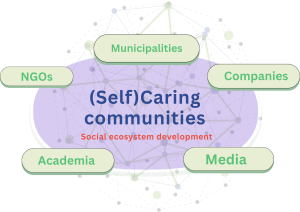
A smaller but crucial group of stakeholders moves beyond understanding and expresses willingness to actively engage. These actors are open to joining a broader social ecosystem around conscious ageing and caring communities, initiating local actions and building long-term cooperation. This level represents the deepest and most sustainable form of impact.
Halfway evaluation: where we stand
At this midpoint, several key conclusions can be drawn:
- There is clear interest and openness toward the topic of conscious ageing across diverse communities.
- The relevance of the programme is confirmed by demographic realities and the lived experiences of the 40–70 age group.
- Impact is uneven but promising: while awareness levels differ, the programme successfully reaches both individuals and institutions at the very grassroots, community levels.
- The greatest long-term potential lies in partnerships, where local actors move from participation to co-creation.
At the same time, the programme also highlights ongoing challenges. Awareness gaps remain significant, and transforming initial interest into sustained structural change requires continued engagement, trust-building, and intersectoral cooperation.
A shifting societal context: renewed momentum after the 2026 elections
The broader societal context in which the ÉletPlusz programme operates has also undergone a significant shift. The national elections held on 12 April 2026 resulted in a decisive outcome, marking a clear change in direction.
Voters expressed strong support for remaining firmly anchored in a European trajectory and for building a more progressive, forward-looking country. This result has generated a renewed sense of hope and energy across many parts of society, including among local communities, institutions, and civil actors.
From the perspective of our work, this shift is particularly relevant. Programmes that focus on social resilience, (self)care, and community-level cooperation depend not only on local capacities but also on the broader climate of trust, openness, and willingness to engage in collective change.
While it is too early to assess the long-term implications, the current momentum creates a more enabling environment for initiatives such as ÉletPlusz. It reinforces the importance of strengthening caring communities and intersectoral cooperation as part of a wider process of social renewal.
We see this as an opportunity to contribute more effectively to the rebuilding and development of Hungarian society—by supporting local actors, fostering dialogue, and helping translate this renewed energy into sustainable, community-based action.
Looking ahead
One of the central aims of ÉletPlusz is to promote caring communities and foster cooperation across sectors in order to contribute to a more supportive and resilient society.
At this stage, we are encouraged by the level of interest and the quality of engagement we are experiencing. The second half of the programme will focus on deepening these relationships, strengthening local capacities, and supporting those actors who are ready to take the next step toward systemic change.
The experience so far suggests that conscious ageing is not only an individual matter, but a collective responsibility—and a key lever for social transformation.
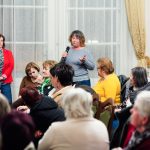
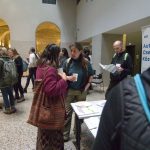
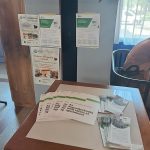
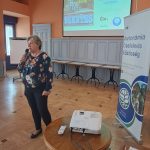
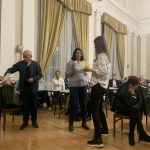
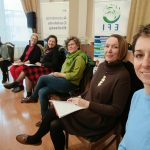
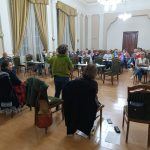
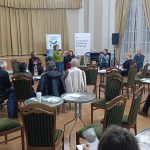
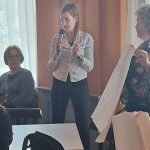
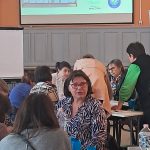
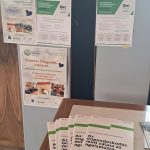
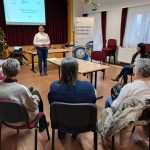
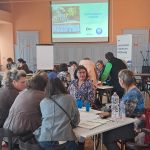
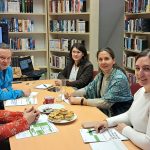
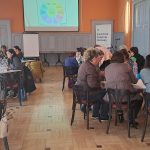
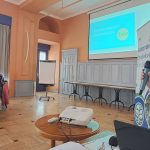
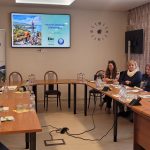
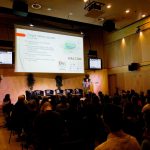
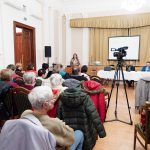
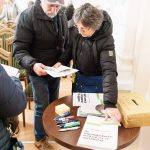
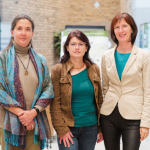
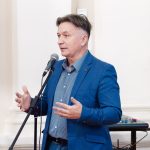
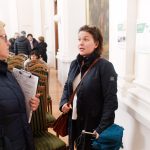
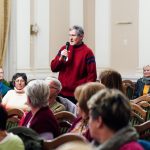
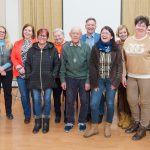
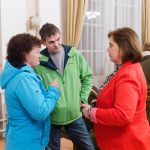
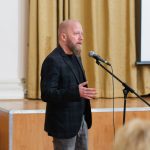
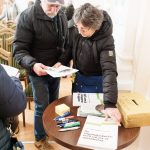
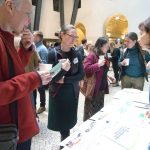
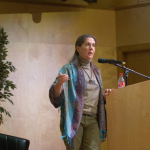
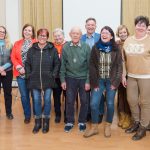
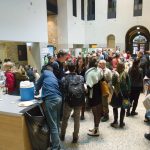
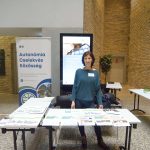
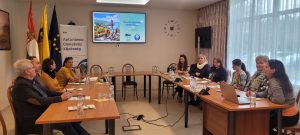
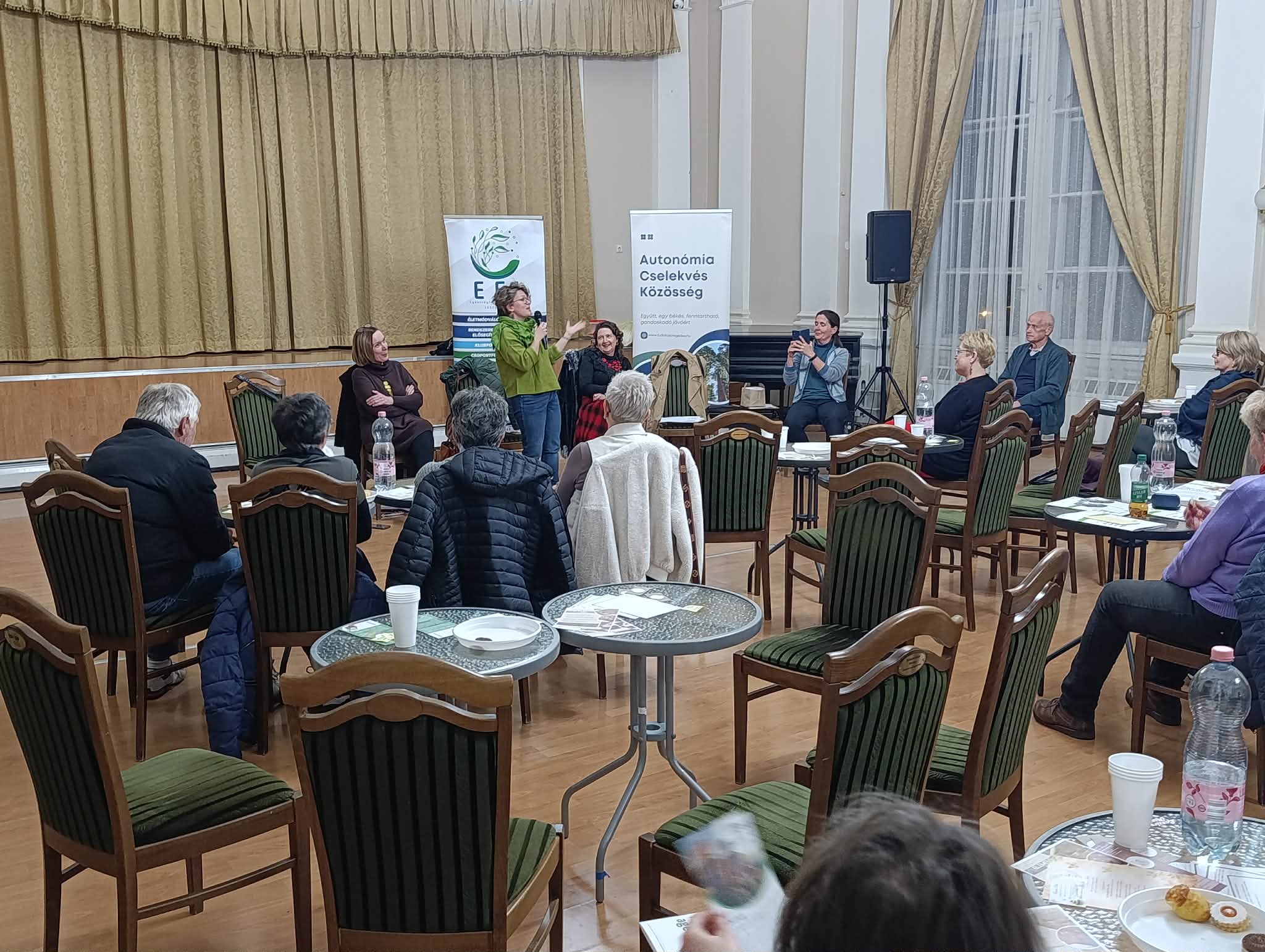
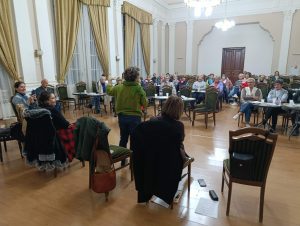
There are some pictures of the programme: