

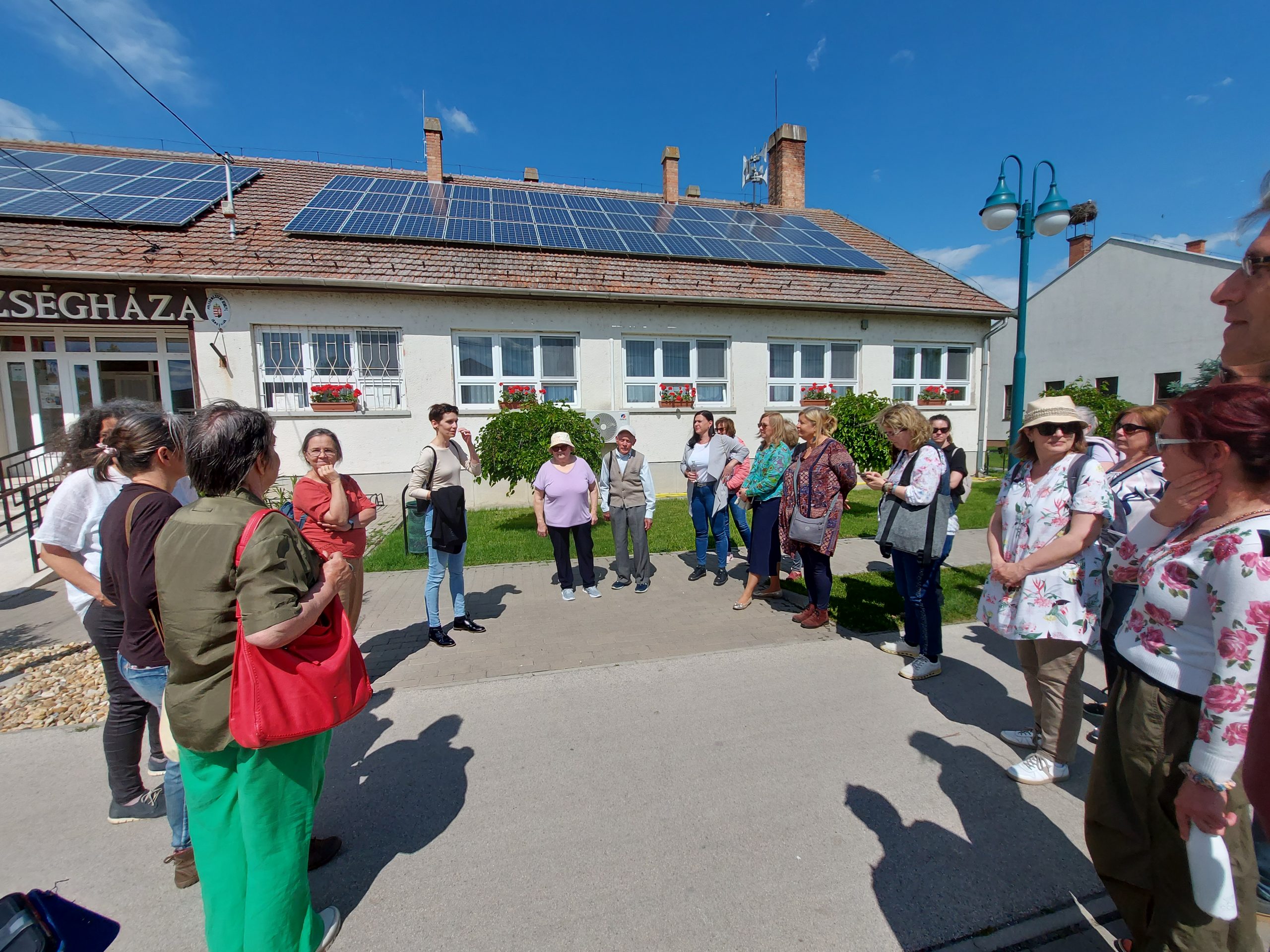
Europe is ageing. At the same time, many countries are facing interconnected challenges: demographic decline, workforce shortages, increasing care needs, social isolation, regional inequalities, and growing pressure on local communities and public services.
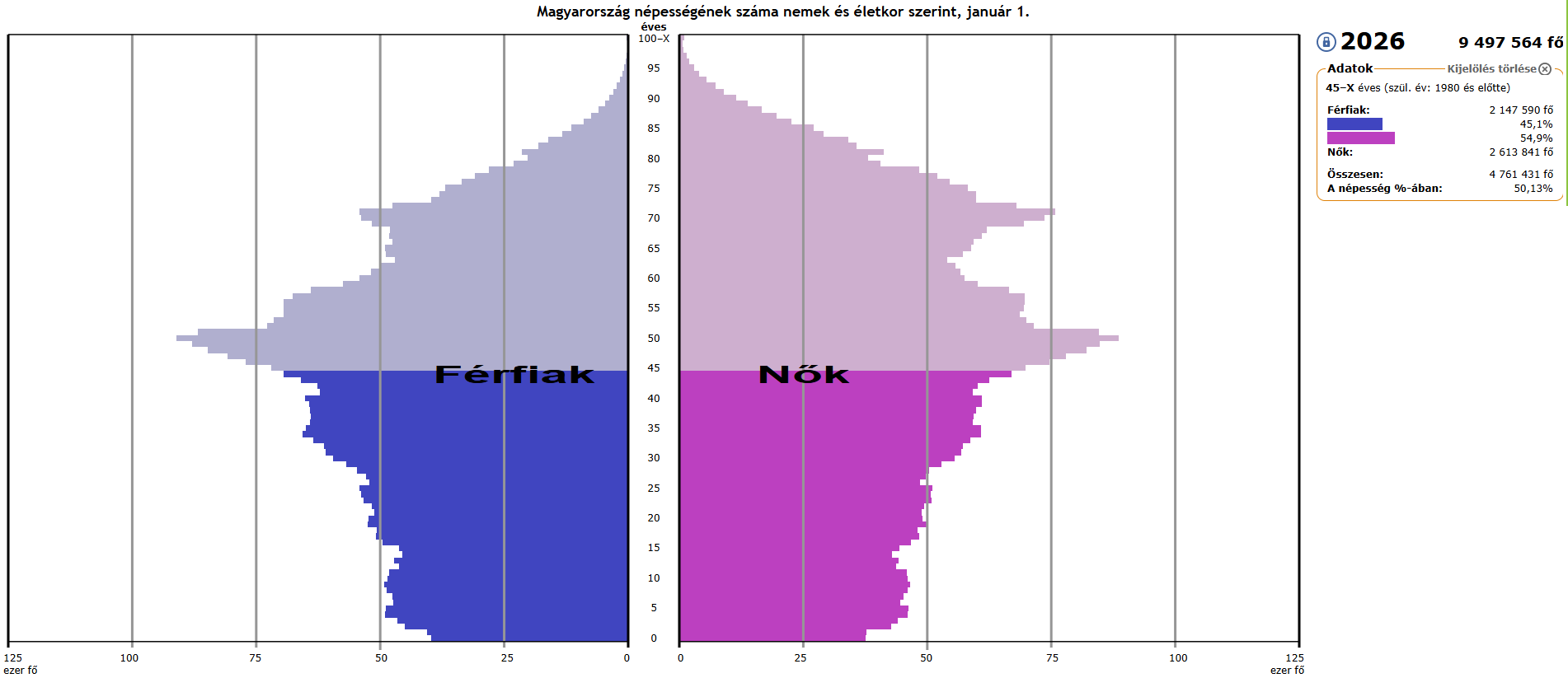
In Hungary, demographic trends have reached a historic turning point: as of 2026, there are more people above the age of 45 than below it. Across Europe, ageing is often presented as a burden on healthcare systems, pension schemes, and social services. But what if ageing could also become an opportunity?
This question lies at the heart of our new publication, Blue Zones and the Active and Conscious Ageing Potential of Central and Eastern European Countries. (download it from here)
The report explores the world’s famous Blue Zones, regions such as Sardinia, Okinawa, Ikaria, Nicoya, and Loma Linda, where people live exceptionally long and healthy lives. While these regions differ culturally and geographically, they share several important characteristics: strong social relationships, active lifestyles, local food systems, intergenerational solidarity, and a strong sense of purpose.
At first glance, Blue Zones may seem very different from Central and Eastern Europe. Yet our research reveals a surprising reality. Many rural and peripheral regions across CEE share a number of structural characteristics with Blue Zones. They often rely on small-scale agriculture, maintain local food traditions, possess strong community networks, and remain relatively disconnected from global economic flows.
The crucial difference is that while Blue Zones transform these conditions into healthy ageing and longevity, many CEE regions experience population decline, poorer health outcomes, social exclusion of older people, and the erosion of community structures.
This observation opens up an important opportunity. Instead of viewing rural regions merely as disadvantaged peripheries, we can begin to see them as potential laboratories for innovative development models that combine wellbeing, sustainability, community resilience, and active ageing. One such initiative is our strategic cooperation with Janoshida, in the disadvantaged Jasz Region of Hungary.
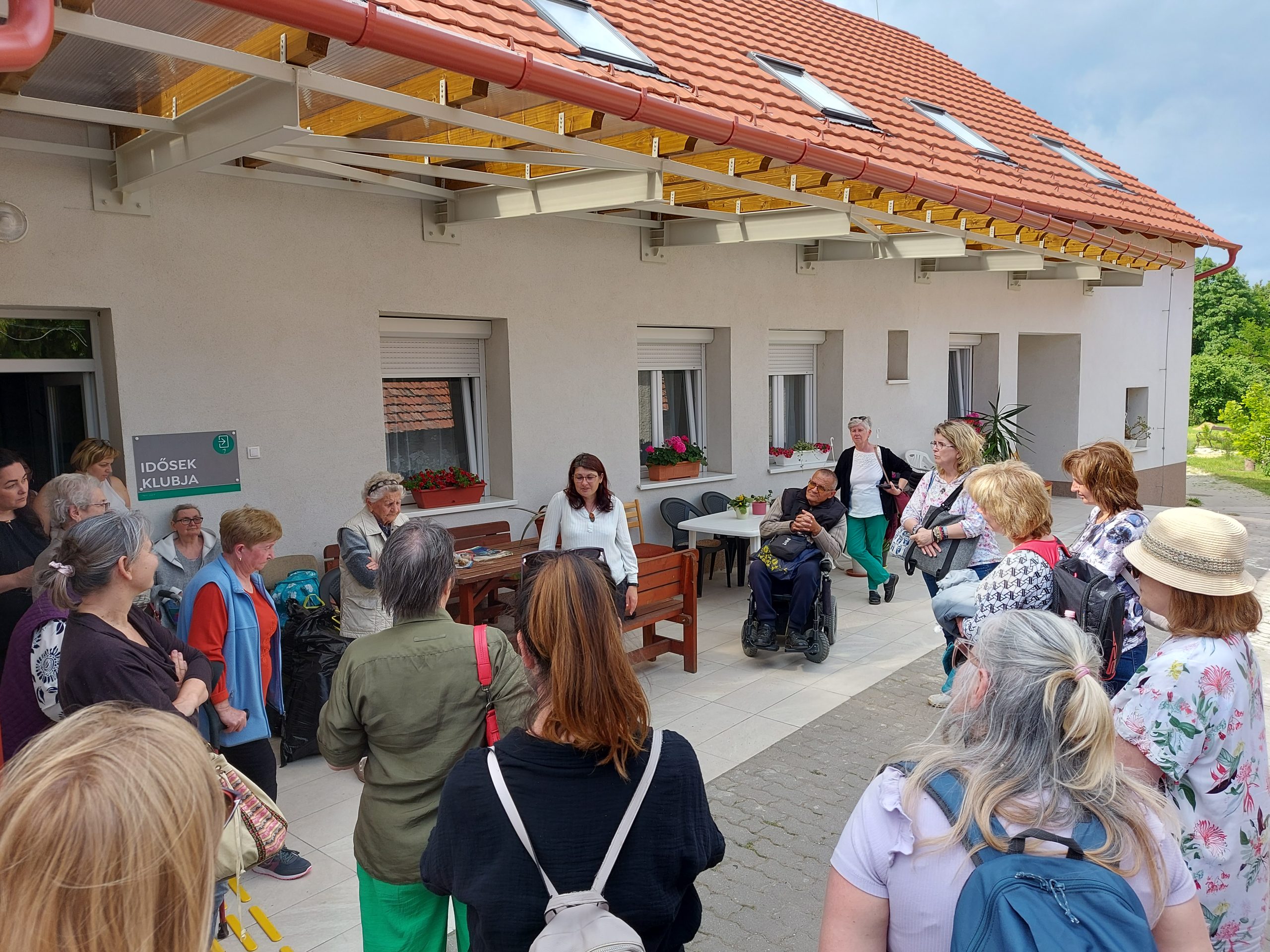
Our publication argues that achieving Blue Zone-like outcomes is not primarily about increasing wealth. Rather, it depends on strengthening local food systems, encouraging everyday physical activity, fostering intergenerational relationships, building caring communities, supporting mental wellbeing, and creating environments where people can remain active and connected throughout their lives.
Importantly, the report does not present Blue Zones as a perfect scientific model. The concept has its critics and limitations. However, as a framework for thinking about healthy ageing, community development, and rural renewal, it offers valuable inspiration for policymakers, municipalities, civil society organisations, and local communities.
At a time when Hungary and many neighbouring countries are increasingly discussing Caring Communities, social resilience, and new approaches to regional development, the Blue Zone perspective offers a constructive and hopeful vision. It encourages us to move beyond crisis management and towards creating places where people can live longer, healthier, more meaningful lives.
We invite policymakers, researchers, local leaders, community organisers, and citizens to explore our new publication and join the conversation about how Central and Eastern Europe can transform demographic ageing from a challenge into a strategic opportunity.
Because the future of ageing in Europe will not be determined only by healthcare systems or economic growth. It will also be shaped by the strength of our communities, the quality of our relationships, and our ability to create places where people can thrive at every stage of life.

